
Devon’s hopes of securing a mayor look to have been given the green light after confirmation in the Budget that the county is on the list.
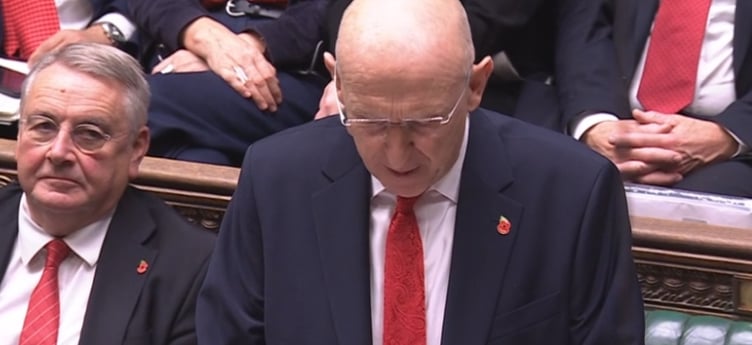
Chancellor John Healey referenced a “new model” of government in his Budget speech in Parliament today (Wednesday, October 28), including mayors for various areas of England.
Devon has been named as one of ten places the government is nearing new devolution agreements with, which would mean a mayor covering the entire county.
A so-called mayoral strategic authority (MSA) would need to be created, with the mayor likely to be a conduit for extra funding, and an ability to steer projects that have a pan-county impact, such as major transport and housing plans.
Devon currently has a combined county authority (CCA) and it doesn’t yet include Plymouth City Council, albeit that latter council is now seeking to join it.
It is not yet clear whether the CCA will be altered to become an MSA, or whether an entirely new mayoral entity will be created.
Caroline Voaden (Liberal Democrat), the MP for South Devon, said the county was at “risk of missing out on major funding streams without having a mayor”.
“It’s been clear that the government is prioritising areas that have one [and] as things stood, Devon could have easily been left behind,” she said.
“So, we welcome this news – but I hope the government will listen to voices from across Devon about the wider devolution and local government picture.”
She added that she was “deeply frustrated” that Prime Minister Andy Burnham recently stated he had only spoken to Labour Devon MPs about devolution, not the others.



The announcement in the Budget surrounding a mayor for Devon may lead to potential mayoral candidates firing the starting gun on their campaigns, however, no date for an election has been outlined yet.
But with the pausing of the process of local government reorganisation in Devon – which would have seen Devon’s 11 councils merged in various ways to create fewer, larger, unitary-style councils by 2028 – some local elections are now going to carry on in May next year, possibly creating an opportunity for a mayoral election to be run in tandem.
Mayoral authorities were mentioned by Mr Healey as beneficiaries of various funding initiatives, with MSAs keeping 20 per cent of business rates from April 2027, and a £150 million of funding for strategic authorities to help them manage their greater powers, fiscal devolution and Good Growth Funds.
Mayoralties will also be able to borrow from a new £1.5 billion government fund that will be created by April 2028 to bolster certain projects in their areas.
The Budget also suggested that local and regional government could retain 100 per cent of business rates income before the end of the decade in place of grants from central government.
Moving to a mayoralty could be vital, especially as the Local Government Association, which represents councils, said there had been “no overall funding increase for local government” in the Budget.
“This means councils will continue to struggle to meet demand and provide services to our communities,” the LGA said.
“Government recognises that councils are central to achieving good growth and rewiring the state. These ambitions cannot be achieved if council finances remain fragile and reliant on emergency bailout agreements.
“The full value of local government will only be unleashed if both local and strategic authorities are empowered and financially sustainable.
“Plans for real fiscal devolution must ensure investment decisions can better meet local needs.”
Comments
We've recently changed our login process. If you have an account for commenting, you will need to re-register on the login window.
This article has no comments yet. Be the first to leave a comment.